√Study Opportunities for Minority and Underrepresented Groups
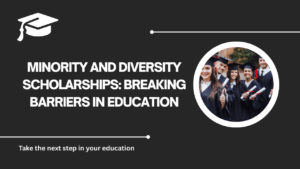
Education has the power to transform lives and build inclusive societies. However, for many individuals from minority and underrepresented groups, access to higher education remains limited due to financial, social, and institutional barriers. To address this inequality, many governments, universities, and organizations around the world now offer scholarships and study programs specifically designed to support students from diverse backgrounds.
These programs aim to promote equity, empower underrepresented voices, and create a more inclusive academic community globally.
Why These Opportunities Matter
Study opportunities for minority and underrepresented groups are not just about funding—they are about creating access, representation, and empowerment. When diversity increases in education, everyone benefits.
Here’s why these opportunities matter:
-
Equal access: They ensure that students from all backgrounds have the chance to pursue quality education.
-
Representation: Increasing diversity in classrooms and research leads to broader perspectives.
-
Empowerment: Minority students often return to uplift their communities.
-
Innovation: Diverse teams create more creative and impactful solutions.
These initiatives help bridge gaps in opportunity and encourage institutions to build inclusive learning environments.
Top Study Opportunities for Minority and Underrepresented Groups
1. Fulbright Program (United States)
The Fulbright Program promotes international education and mutual understanding. It provides scholarships to students, professionals, and artists, including those from minority or marginalized backgrounds.
-
Eligibility: Open to students from all countries; strong focus on diversity and inclusion.
-
Coverage: Full tuition, travel, living allowance, and health insurance.
-
Deadline: Varies by country.
2. Chevening Scholarship (United Kingdom)
Chevening is a fully funded program for outstanding individuals who demonstrate leadership potential, including applicants from underrepresented and minority groups.
-
Eligibility: Applicants from eligible countries with a bachelor’s degree and leadership experience.
-
Coverage: Tuition, accommodation, and monthly stipend.
-
Deadline: November each year.
3. AAUW International Fellowships (Women and Minority Focus)
The American Association of University Women (AAUW) offers fellowships for women from around the world, particularly those from minority or marginalized backgrounds.
-
Eligibility: Women pursuing graduate or postgraduate studies in the U.S.
-
Coverage: Up to $50,000 in tuition and living expenses.
-
Deadline: November annually.
4. Erasmus Mundus Joint Master Degrees (Europe)
Erasmus Mundus offers fully funded scholarships for international students from underrepresented regions, promoting cultural and academic diversity.
-
Eligibility: Bachelor’s degree holders from any country.
-
Coverage: Full tuition, travel allowance, and monthly stipend.
-
Deadline: December to February, depending on the program.
5. The Mastercard Foundation Scholars Program (Africa and Beyond)
This initiative provides full scholarships for talented yet economically disadvantaged students, many of whom come from minority or underrepresented communities.
-
Eligibility: High-achieving students from Sub-Saharan Africa and other developing regions.
-
Coverage: Full tuition, accommodation, books, and stipends.
-
Deadline: Varies by partner university.
6. Australia Awards Scholarships
These scholarships promote inclusion by supporting students from developing and underrepresented communities to study in Australia.
-
Eligibility: Citizens from eligible countries in Asia, Africa, and the Pacific.
-
Coverage: Full tuition, return airfare, living allowance, and health insurance.
-
Deadline: April each year.
7. Gates Cambridge Scholarship (United Kingdom)
Funded by the Bill & Melinda Gates Foundation, this scholarship encourages students from diverse and underrepresented backgrounds to study at the University of Cambridge.
-
Eligibility: International students pursuing postgraduate studies.
-
Coverage: Full tuition, travel, and living allowance.
-
Deadline: December or January, depending on course.
How to Apply Effectively
Getting a scholarship as a minority or underrepresented student can be competitive, but the right strategy makes a big difference. Here are tips to improve your chances:
-
Highlight Your Story: Share your journey and how your background shapes your goals.
-
Show Commitment to Community: Demonstrate how your education will benefit others.
-
Focus on Academic Excellence: Maintain strong grades and clear career ambitions.
-
Prepare a Strong Personal Statement: Write about your vision for social impact and leadership.
-
Gather Strong References: Choose recommenders who understand your strengths and challenges.
Additional Programs Supporting Underrepresented Groups
Besides scholarships, many global initiatives focus on mentorship, training, and empowerment:
-
UNESCO Inclusion in Education Programs – Promote diversity and cultural understanding.
-
UNICEF Youth Leadership Initiatives – Train young people from marginalized groups.
-
Google Generation Scholarship (Tech Fields) – Supports students from underrepresented communities in computer science.
-
Open Society Foundations Scholarships – Support students promoting democracy and human rights.
These programs expand opportunities for those who want to make an impact in education, leadership, or community development.
The Global Impact of Diversity in Education
When universities open their doors to underrepresented students, they not only change individual lives but also reshape entire communities. Diversity brings new perspectives to research, policy, and innovation.
Moreover, minority graduates often return to their communities to lead social change, create jobs, and serve as role models for future generations. Inclusivity in education is not just a moral duty—it’s an investment in a more equitable world.
Conclusion
Study opportunities for minority and underrepresented groups open pathways toward equity, empowerment, and inclusion. Through scholarships, mentorship, and leadership programs, students from diverse backgrounds gain the support they need to succeed and lead.
By taking advantage of these global opportunities, aspiring learners can pursue quality education, represent their communities, and help shape a future where everyone has a seat at the table.
- Author: Rendy muhammad