√Scholarships for Students Advocating Human Rights and Social Justice
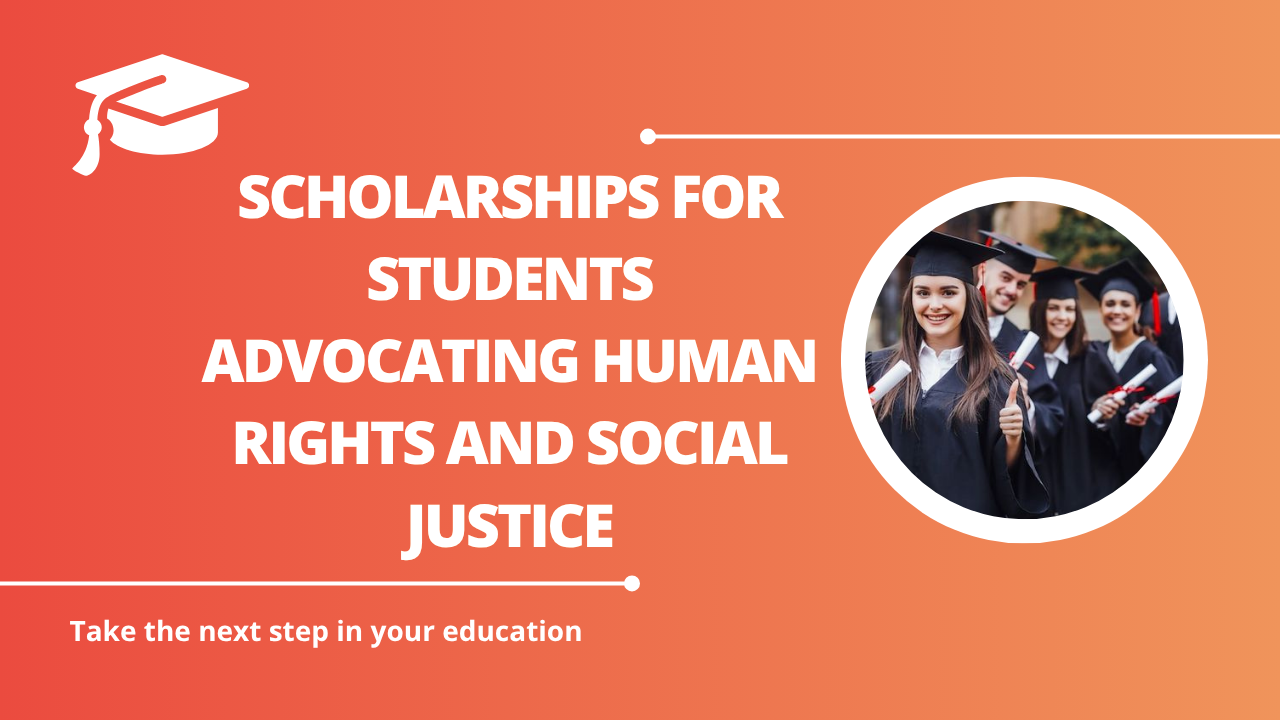
In today’s world, the need for strong voices defending equality, fairness, and human dignity is greater than ever. Many universities and organizations now offer scholarships for students committed to human rights and social justice. These programs aim to empower future leaders, activists, and changemakers who are passionate about creating a more just and inclusive world.
Through education, advocacy, and leadership training, students can learn to address global issues such as inequality, discrimination, and poverty while developing professional and academic expertise.
Why These Scholarships Matter
Human rights and social justice are not just academic topics—they are movements that shape societies. Scholarships in this field:
-
Support changemakers: Provide financial help for those committed to positive social impact.
-
Encourage research and advocacy: Enable students to study human rights law, policy, and global justice.
-
Promote leadership development: Equip students with the skills to influence change in their communities.
-
Foster global collaboration: Bring together diverse perspectives to address worldwide injustices.
These scholarships recognize that education is a powerful tool for transformation and progress.
Top Scholarships for Human Rights and Social Justice Advocates
1. Human Rights Watch Internship and Fellowship Programs (Global)
Human Rights Watch offers fellowships and internships for graduates dedicated to defending human rights.
-
Eligibility: Students or recent graduates in law, political science, or social sciences.
-
Coverage: Full stipend, travel expenses, and mentorship.
-
Focus: Human rights research, advocacy, and international justice.
-
Deadline: Varies by program.
This opportunity provides real-world experience in human rights work across multiple regions.
2. Chevening Scholarships (United Kingdom)
The UK government’s Chevening Scholarships fund global leaders who demonstrate commitment to social and political change.
-
Eligibility: Students from eligible countries with leadership and public service experience.
-
Coverage: Full tuition, travel, and monthly allowance.
-
Focus Areas: Human rights, public policy, governance, and law.
-
Deadline: November each year.
Chevening alumni often work in NGOs, governments, and international organizations advocating for justice and equality.
3. Open Society Foundations Scholarships (Global)
Founded by philanthropist George Soros, Open Society Foundations provide fully funded scholarships for students from marginalized communities committed to democratic reform and human rights.
-
Eligibility: Students from developing or underrepresented countries.
-
Coverage: Tuition, living expenses, and travel costs.
-
Focus: Human rights, journalism, law, and social policy.
-
Deadline: Varies by program.
This fellowship empowers young activists and scholars to promote transparency and inclusion worldwide.
4. Rotary Peace Fellowships (Global)
The Rotary Foundation supports individuals dedicated to promoting peace, conflict resolution, and social justice.
-
Eligibility: Professionals with leadership experience in peacebuilding or development.
-
Coverage: Full tuition, accommodation, travel, and fieldwork funding.
-
Duration: 15–24 months at partner universities.
-
Deadline: May each year.
Rotary Peace Fellows become influential leaders working in NGOs, governments, and international agencies.
5. Fulbright Program for Social Justice Studies (United States)
The Fulbright Program offers numerous grants for students researching or advocating human rights and justice-related topics.
-
Eligibility: Students from developing or partner countries.
-
Coverage: Full tuition, health insurance, airfare, and living stipend.
-
Focus Areas: Law, sociology, political science, and international relations.
-
Deadline: Country-specific.
This program fosters collaboration between global scholars committed to fairness and equality.
Additional Scholarships and Fellowships
Beyond the major global programs, several universities and organizations provide human rights scholarships, including:
-
University of Oxford – MSc in International Human Rights Law Scholarships
-
University of Essex – Human Rights Centre Scholarships (UK)
-
Columbia University – Human Rights Advocates Program (USA)
-
Global Human Rights Fellowship by Yale University
These programs combine academic rigor with advocacy training, preparing students to make tangible social change.
How to Build a Strong Application
Applying for scholarships focused on human rights requires both passion and professionalism. Here’s how to strengthen your application:
-
Show Genuine Commitment: Highlight volunteer work, campaigns, or projects related to justice and equality.
-
Craft a Clear Personal Statement: Explain how your goals align with human rights advocacy and leadership.
-
Demonstrate Impact: Share specific examples of community involvement or policy influence.
-
Obtain Strong Recommendations: Ask mentors or supervisors who can validate your dedication and leadership.
-
Stay Authentic: Scholarship committees value sincerity and long-term commitment over perfection.
Every story of advocacy matters—your experiences can inspire global change.
Benefits of These Scholarships
Receiving a scholarship in human rights or social justice offers more than just financial support. It provides:
-
Access to quality education in world-class institutions.
-
Networking with like-minded advocates from across the globe.
-
Mentorship and professional training in international organizations.
-
Empowerment to influence policy and reform in your community.
-
Opportunities to work on real-world human rights projects.
Ultimately, these programs create leaders who can challenge injustice and advocate for human dignity.
Conclusion
Scholarships for students advocating human rights and social justice are pathways to meaningful change. They offer not only financial support but also a global platform to amplify voices for equality and fairness.
By joining these programs, passionate students can turn advocacy into action—shaping laws, influencing communities, and building a future where every individual enjoys freedom and respect.
Education becomes a bridge between knowledge and justice, empowering students to transform the world for the better.
- Author: Rendy muhammad