√Scholarships for Students from Low-Income Families
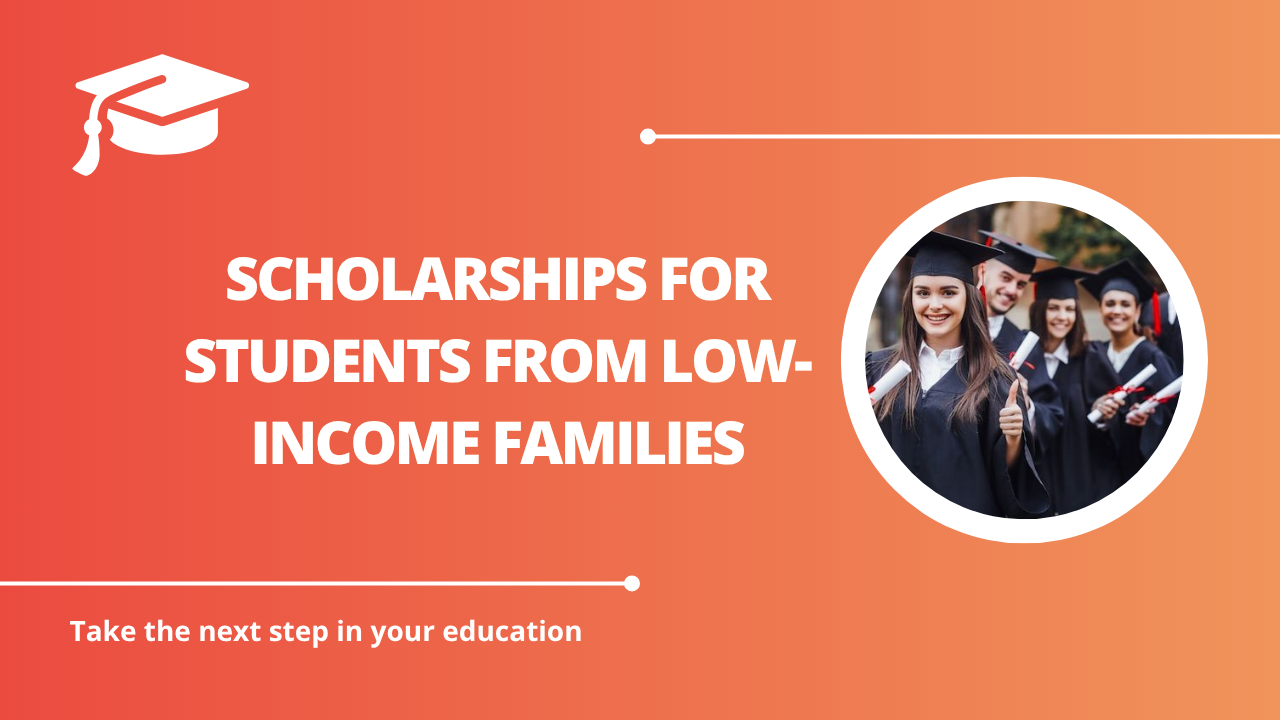
For many talented students, financial challenges often stand in the way of pursuing higher education. Tuition fees, living expenses, and learning materials can be overwhelming, especially for those from low-income families. Thankfully, numerous global organizations, universities, and foundations offer scholarships specifically designed to support students from economically disadvantaged backgrounds.
These scholarships make it possible for deserving students to focus on their studies, gain valuable experience, and build successful careers—without the constant worry of financial hardship.
Why These Scholarships Matter
Education should be a right, not a privilege. Scholarships for low-income students play an essential role in ensuring equal access to higher education. They not only help individuals but also uplift families and communities.
Here’s why these scholarships are crucial:
-
Breaking the poverty cycle: Education empowers students to secure better careers and improve their families’ lives.
-
Encouraging social mobility: Low-income students gain opportunities to compete on equal footing.
-
Promoting diversity in education: Financial aid helps create inclusive classrooms and balanced representation.
-
Supporting academic success: Students can focus on learning rather than financial stress.
These scholarships are more than financial aid—they are life-changing opportunities.
Top Scholarships for Students from Low-Income Families
1. The Gates Scholarship (United States & Global)
One of the most prestigious programs in the world, the Gates Scholarship supports high-achieving, low-income students who demonstrate exceptional leadership and academic excellence.
-
Eligibility: Students from low-income backgrounds with strong academic performance.
-
Coverage: Full tuition, housing, books, and living expenses.
-
Deadline: Typically in September each year.
2. Mastercard Foundation Scholars Program (Africa and Developing Regions)
This program provides comprehensive support to talented students from low-income communities across Africa and other developing regions.
-
Eligibility: Academically gifted students with financial need.
-
Coverage: Full tuition, travel, living costs, and mentorship.
-
Deadline: Varies by partner university.
3. Need-Based Scholarships by Harvard University (USA)
Harvard University ensures that financial barriers never prevent talented students from attending. Families earning under $85,000 per year pay no tuition costs.
-
Eligibility: Students admitted to Harvard with demonstrated financial need.
-
Coverage: Full tuition and housing.
-
Deadline: Alongside admission applications.
4. Lester B. Pearson International Scholarship (Canada)
Offered by the University of Toronto, this scholarship supports outstanding international students with strong academic and leadership qualities who face financial challenges.
-
Eligibility: International students with financial need and excellent academic records.
-
Coverage: Full tuition, accommodation, and incidental fees.
-
Deadline: January each year.
5. DAAD Scholarships (Germany)
The German Academic Exchange Service (DAAD) offers fully funded scholarships to international students, many of whom come from low-income backgrounds.
-
Eligibility: Bachelor’s or master’s degree applicants from developing countries.
-
Coverage: Full tuition, travel, and monthly stipend.
-
Deadline: Varies depending on the program.
6. Commonwealth Shared Scholarships (UK)
This program is designed to support students from low-income and developing Commonwealth nations, enabling them to study in the United Kingdom.
-
Eligibility: Students from eligible countries with financial need.
-
Coverage: Tuition fees, airfare, and living allowance.
-
Deadline: December each year.
7. Australia Awards Scholarships
Funded by the Australian Government, this initiative supports students from developing and low-income countries to study at top universities in Australia.
-
Eligibility: Students from eligible developing nations.
-
Coverage: Full tuition, accommodation, and living costs.
-
Deadline: April annually.
8. Ashinaga Africa Initiative
This unique scholarship supports orphans and students from low-income backgrounds in Sub-Saharan Africa, offering full financial and academic assistance.
-
Eligibility: Students who lost one or both parents and demonstrate strong leadership.
-
Coverage: Full tuition, travel, and living expenses.
-
Deadline: February each year.
How to Prepare a Strong Scholarship Application
Getting a scholarship can be competitive, especially for need-based programs. Here are some proven strategies to strengthen your application:
-
Explain Your Financial Need Clearly: Be honest and provide documentation that supports your financial situation.
-
Highlight Your Achievements: Show your academic excellence and community involvement.
-
Write a Compelling Personal Statement: Share your story, challenges, and goals—authenticity matters.
-
Ask for Strong References: Request recommendation letters from teachers or mentors who know your dedication.
-
Stay Organized: Keep track of deadlines and required documents to avoid missing opportunities.
Remember: scholarship committees look for both financial need and potential. Demonstrate how education will help you give back to your community.
Additional Financial Aid and Support Options
Besides scholarships, many universities and organizations provide additional financial assistance, such as:
-
Work-study programs that allow students to earn money while studying.
-
Tuition waivers for students demonstrating exceptional need.
-
Grants and bursaries that don’t require repayment.
-
Mentorship and career development programs for disadvantaged students.
These options ensure that even those who don’t secure a full scholarship still receive support to complete their studies successfully.
The Long-Term Impact of Educational Access
When low-income students are given the chance to pursue higher education, the impact goes beyond individual success. Educated individuals are more likely to:
-
Improve their families’ economic conditions.
-
Become community leaders or innovators.
-
Contribute to national development and global progress.
In short, every scholarship granted to a low-income student is an investment in the future — fostering equality, innovation, and social growth.
Conclusion
Scholarships for students from low-income families are powerful tools for breaking barriers and building a brighter future. These programs not only remove financial obstacles but also nurture leadership, confidence, and social responsibility.
By applying for these opportunities and staying persistent, students can turn financial challenges into stepping stones toward success. Education changes everything — and with the right support, every student, no matter their background, can achieve their dreams.
- Author: Rendy muhammad